Health Awareness in MARCH
National Colorectal Cancer Awareness Month
This month highlights the critical importance of regular screenings, which can prevent the disease entirely by finding and removing precancerous polyps. With guidelines now recommending screenings begin at age 45, awareness efforts focus on destigmatizing the procedure and highlighting non-invasive testing options to increase compliance.
National Nutrition Month
Spearheaded by the Academy of Nutrition and Dietetics, this observance encourages individuals to make informed food choices and develop sound eating and physical activity habits. The 2026 focus emphasizes how personalized, culturally accessible nutrition directly impacts chronic disease management and overall longevity.
National Kidney Month
Raising awareness about chronic kidney disease (CKD), this initiative urges people to check their risk factors, specifically high blood pressure and diabetes. Education centers on the reality that early-stage kidney disease often have no symptoms, making routine blood and urine tests vital for preserving kidney function.
2026 MARCH 4TH
President Trump's Speech at the U.S. Capitol 02/24/26
UPDATE
The Capitol Address Fallout: Industry Pushback & The Pivot to Advisory
The Fight for Broker Compensation
Direct-to-HSA Subsidies: The Logistical Hurdles
References
National Association of Benefits and Insurance Professionals (NABIP). (2026, March 2). Response to the 2026 Executive Healthcare Proposals: Protecting the Consumer-Broker Relationship
2026 MARCH 4TH
ICHRA & Group Insurance
The New ICHRA Power Combo: Bronze Plans + HSAs
This completely changes the strategy for Individual Coverage Health Reimbursement Arrangements (ICHRAs). Historically, employees who used an ICHRA allowance to buy a low-cost Bronze plan were locked out of contributing to a Health Savings Account. Now, employees can use their employer's ICHRA dollars to cover a Bronze premium and still open a personal HSA to save tax-free money for out-of-pocket costs. This creates a highly attractive "triple-tax" advantage that makes ICHRAs much more appealing to younger, healthier workforces.
Group Plan Renewals vs. The ICHRA Surge
References
internal Revenue Service. (2026, March 4). IRS Notice 2026-5: Treatment of Bronze and Catastrophic Plans as HDHPs. IRS.gov
Take Command Health. (2026, March 3). What to know about ACA changes, medical inflation, and ICHRA growth.
2026 MARCH 4TH
Health & Life
The AI Underwriting Governance Standard
For the agent in the field, this means that while policies are being issued in 24 hours, you may increasingly encounter "algorithmic pauses" where a seemingly healthy client is unexpectedly kicked to manual underwriting. Setting the right client expectations about these new digital guardrails is essential.
References
National Association of Insurance Commissioners. (2026, March 2). Model Bulletin on the Use of Artificial Intelligence Systems by Insurers. NAIC.org.
2026 MARCH 4TH
Property & Casualty
Reinsurance Tightening Before Hurricane Season
Agents must conduct comprehensive policy reviews right now to ensure clients haven't been quietly transitioned to "Actual Cash Value" for roof damage during their recent renewals, and aggressively cross-sell private flood insurance as the ultimate safety net against shifting climate risks.
References
Insurance Information Institute (Triple-I). (2026, March 1). Early 2026 Hurricane Forecasts and Coastal Reinsurance Capacity.
2026 MARCH 4th
Medicare
The "Smoothing" Implementation Hurdle
Carriers are reporting that while the program is universally available, enrollment remains below 15% because beneficiaries do not fully grasp the billing mechanics.
For agents, this presents a critical advisory window. Rather than simply selling a Part D plan, agents must proactively educate their clients on how to opt into this smoothing program to avoid front-loaded pharmacy sticker shock, effectively transforming a confusing mandate into a major retention tool.
References
Centers for Medicare & Medicaid Services. (2026, March 1). Initial Enrollment Data and Consumer Outreach Strategies for the Medicare Prescription Payment Plan. CMS.gov.
2026 MARCH 4th
Medicaid
Dual-Eligible Data Matching Crackdown
Agents operating in high-volume dual markets, particularly in Florida, must now secure and verify active state eligibility letters from the current month before submitting any D-SNP application to avoid sweeping compliance rejections.
The IRS just updated "affordability safe harbor" rules for ICHRA allowances (March 3, 2026), creating a massive opportunity for highly educated brokers:
References
National Association of Medicaid Directors (NAMD). (2026, March 2). Transitioning to Real-Time Verification for Dual-Eligible Beneficiaries. ## Growth / ICHRA: Affordability Safe Harbor Clarifications
Internal Revenue Service. (2026, March 3). Guidance on Affordability Safe Harbors for Individual Coverage Health Reimbursement Arrangements (Notice 2026-14). IRS.gov.
2026 MARCH 4th
ACA
Carrier Responses to the Subsidy Cliff
Agents must heavily pivot their spring strategy: analyzing a client's mid-year income trajectory is now just as critical as checking their doctor network. Positioning these new Bridge plans correctly will be a vital strategy for protecting vulnerable consumer demographics from catastrophic tax liabilities.
References
Health Affairs. (2026, March 4). Carrier Product Innovation in the Wake of the OBBBA Subsidy Cliff. Health Affairs Forefront.
Compliance & Licensing
References
National Association of Insurance Commissioners. (2024). Producer licensing model act 218. https://content.naic.org
National Association of Insurance Commissioners. (2024). Continuing education model regulation 255. https://content.naic.org
Financial Crimes Enforcement Network. (2024). Anti money laundering program and suspicious activity report filing requirements for insurance companies. U.S. Department of the Treasury. https://www.fincen.gov
National Insurance Producer Registry. (2024). Producer licensing and compliance resources. https://www.nipr.com
Weekend Opening Coming Soon

Subscribe to our newsletter
Pages
Policy Pages
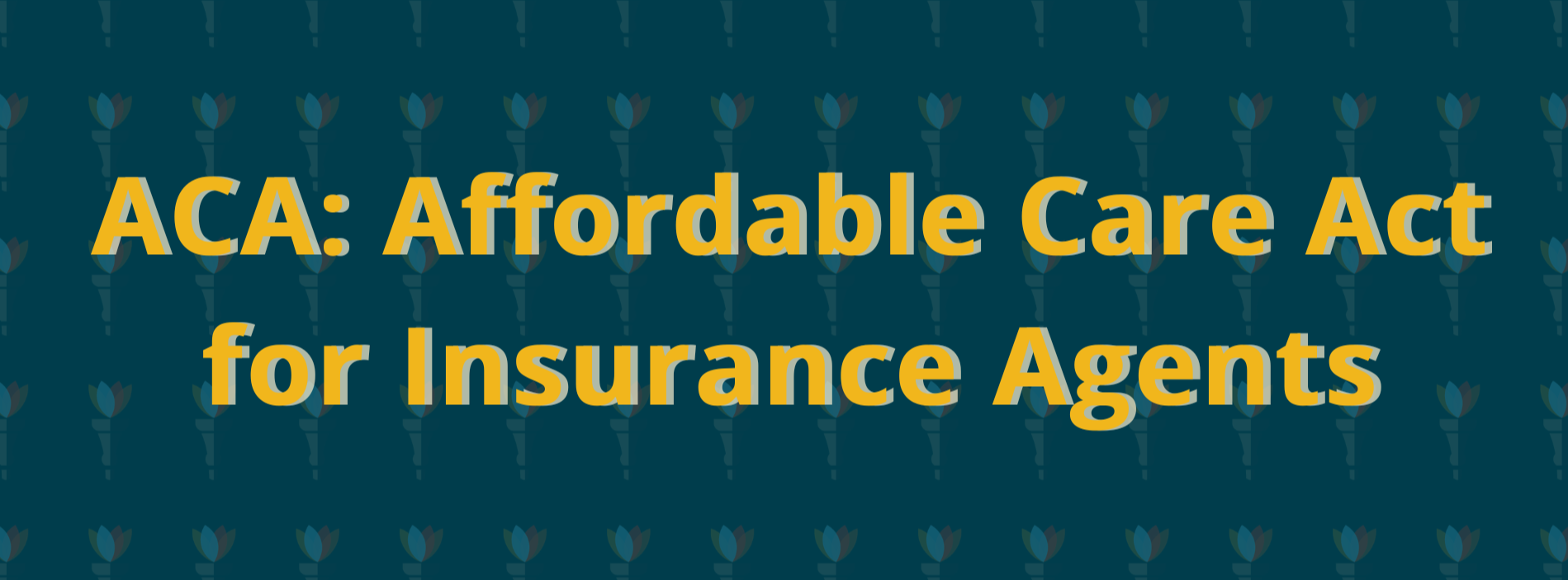
July 10th
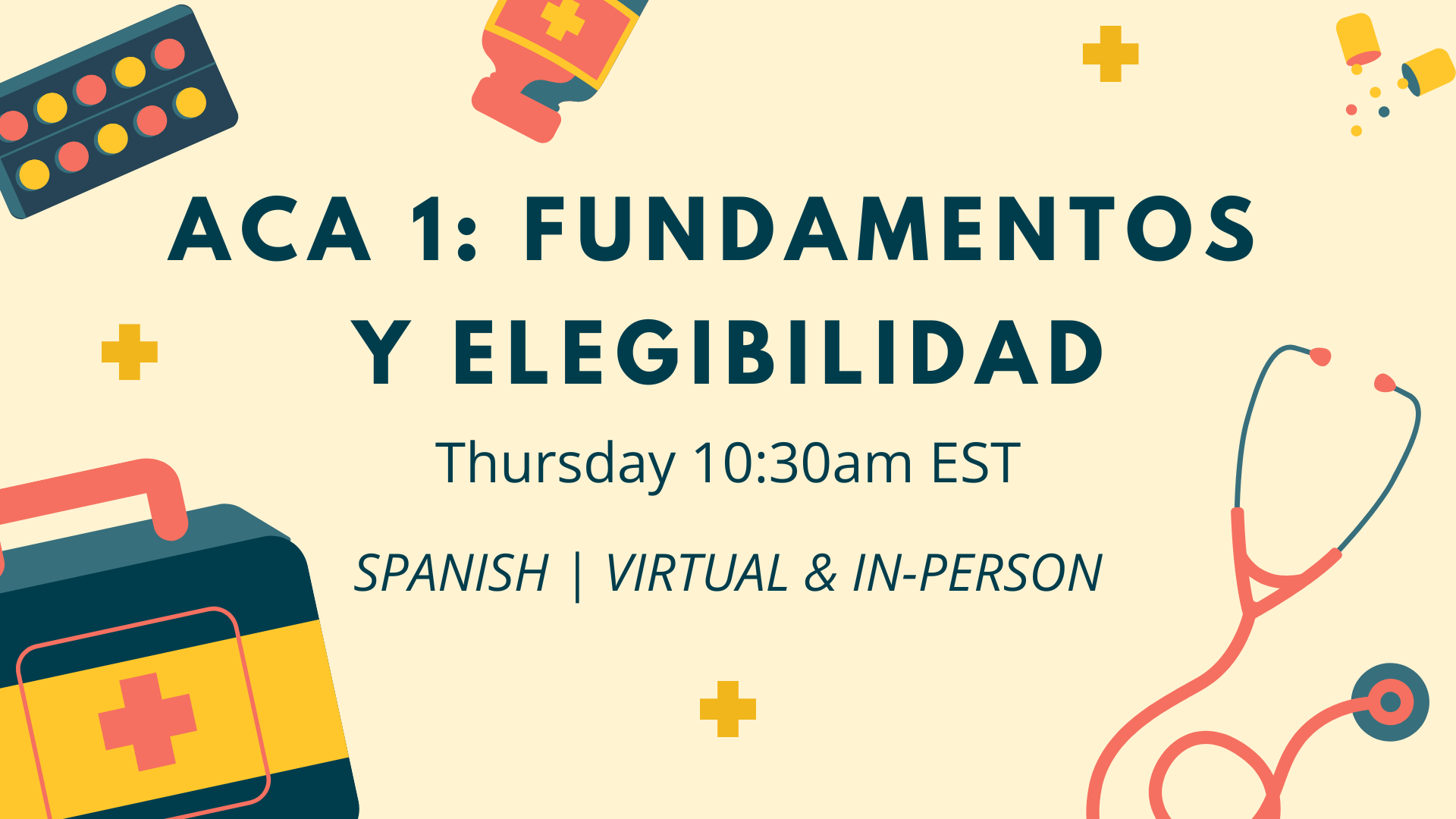
June 5th

July 17th
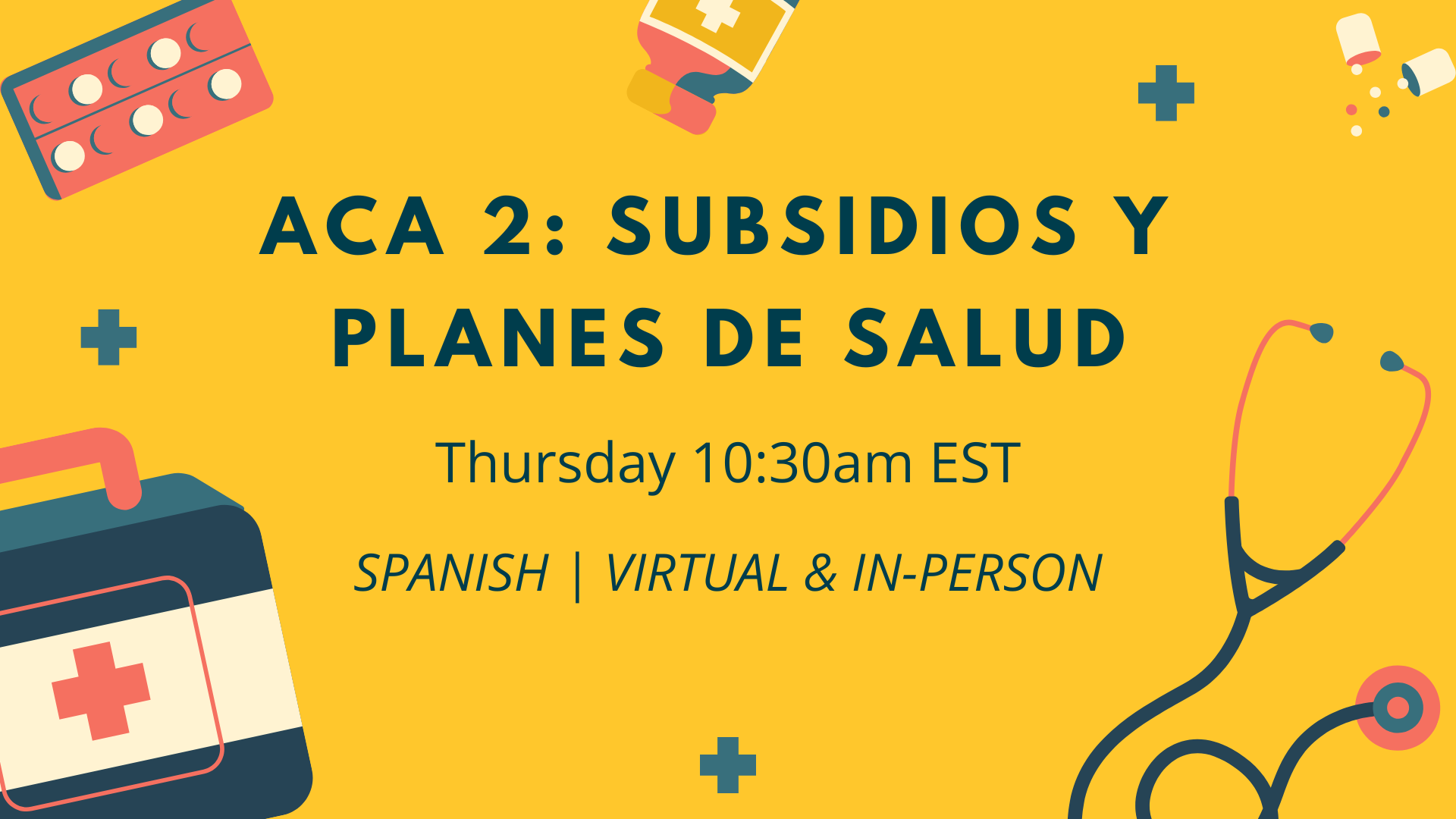
June 5th

July 24th

June 5th
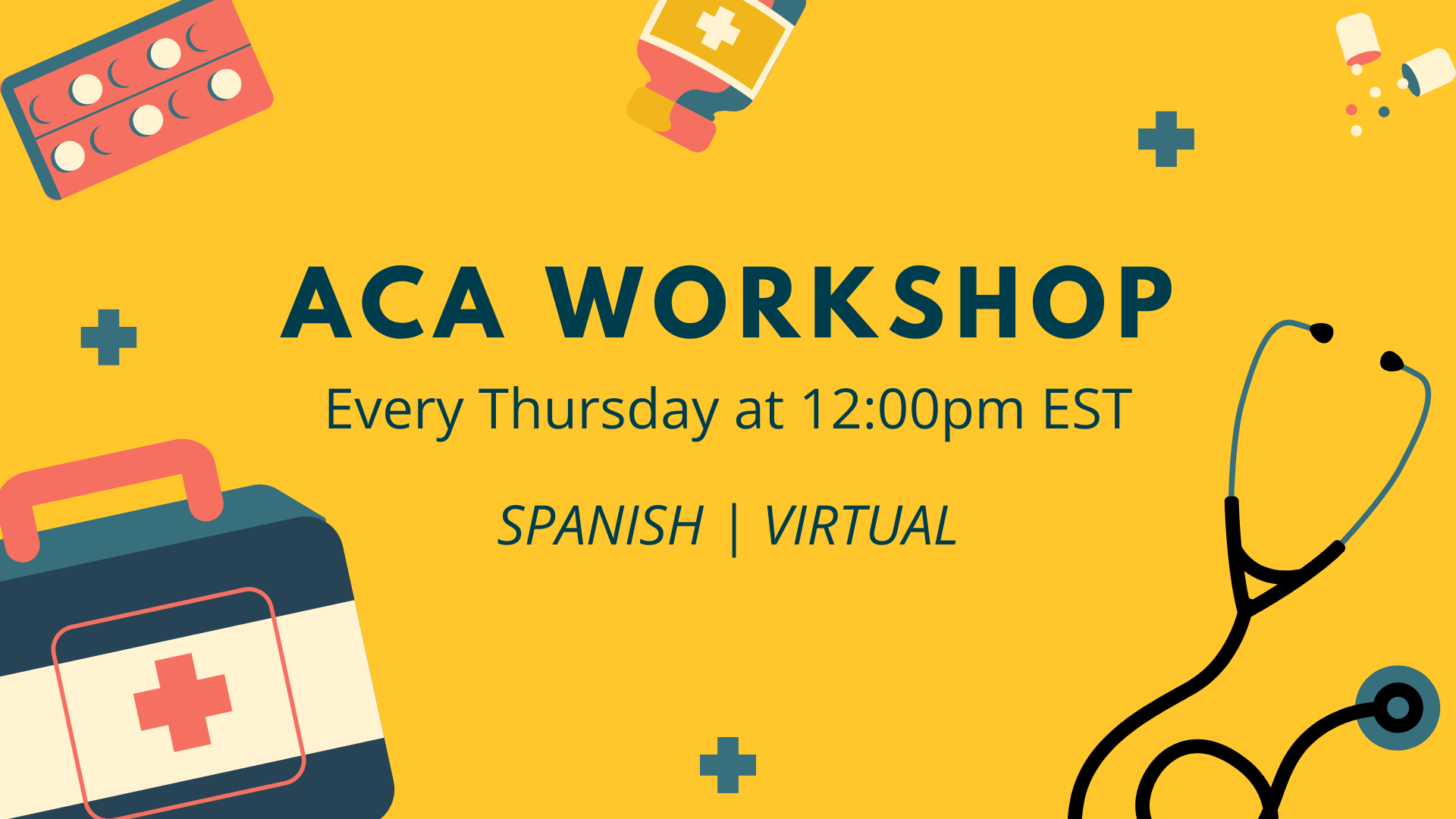
July 31st

June 5th

June 3rd
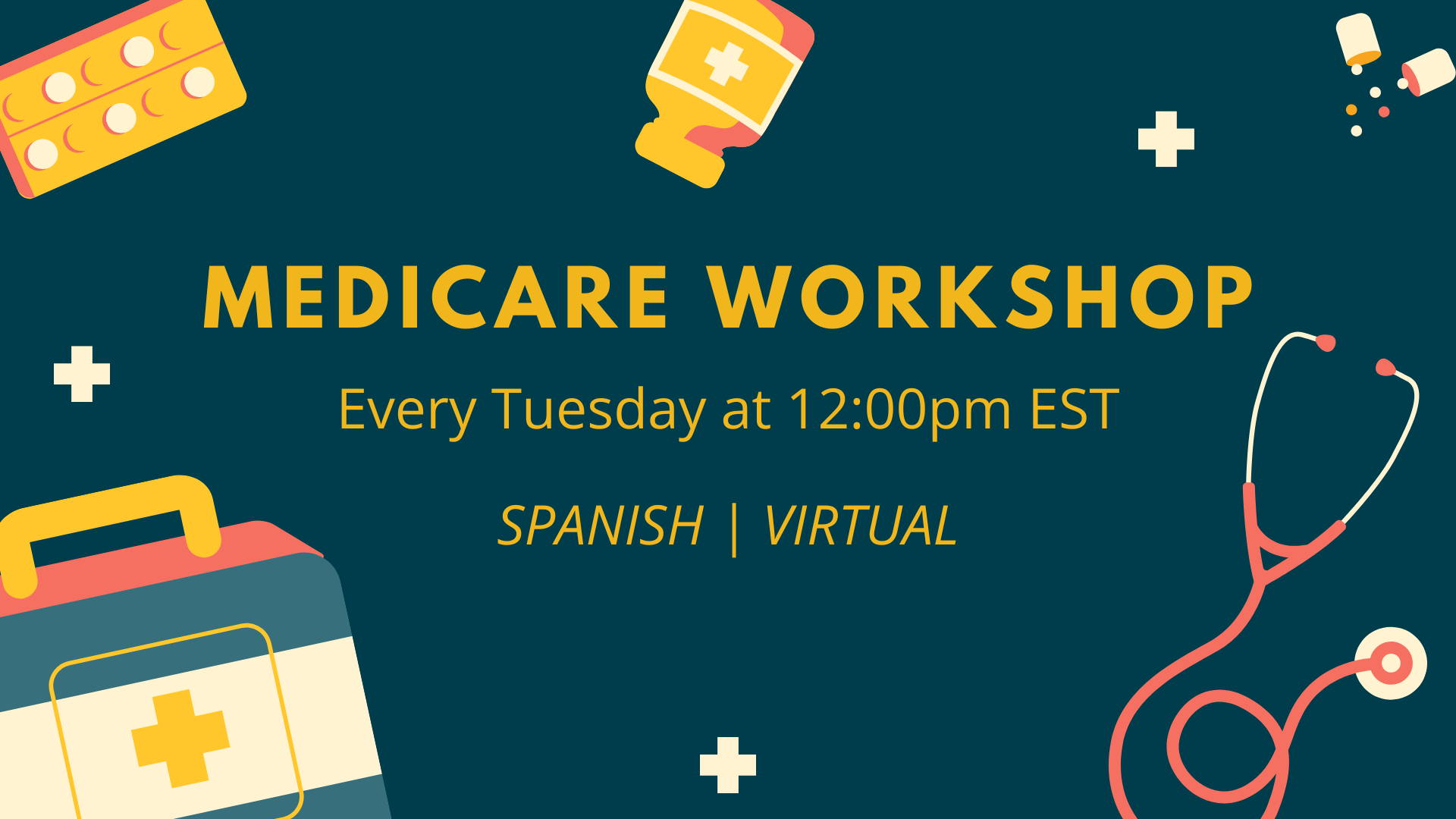
June 4th
June 10th
June 11th
June 17th
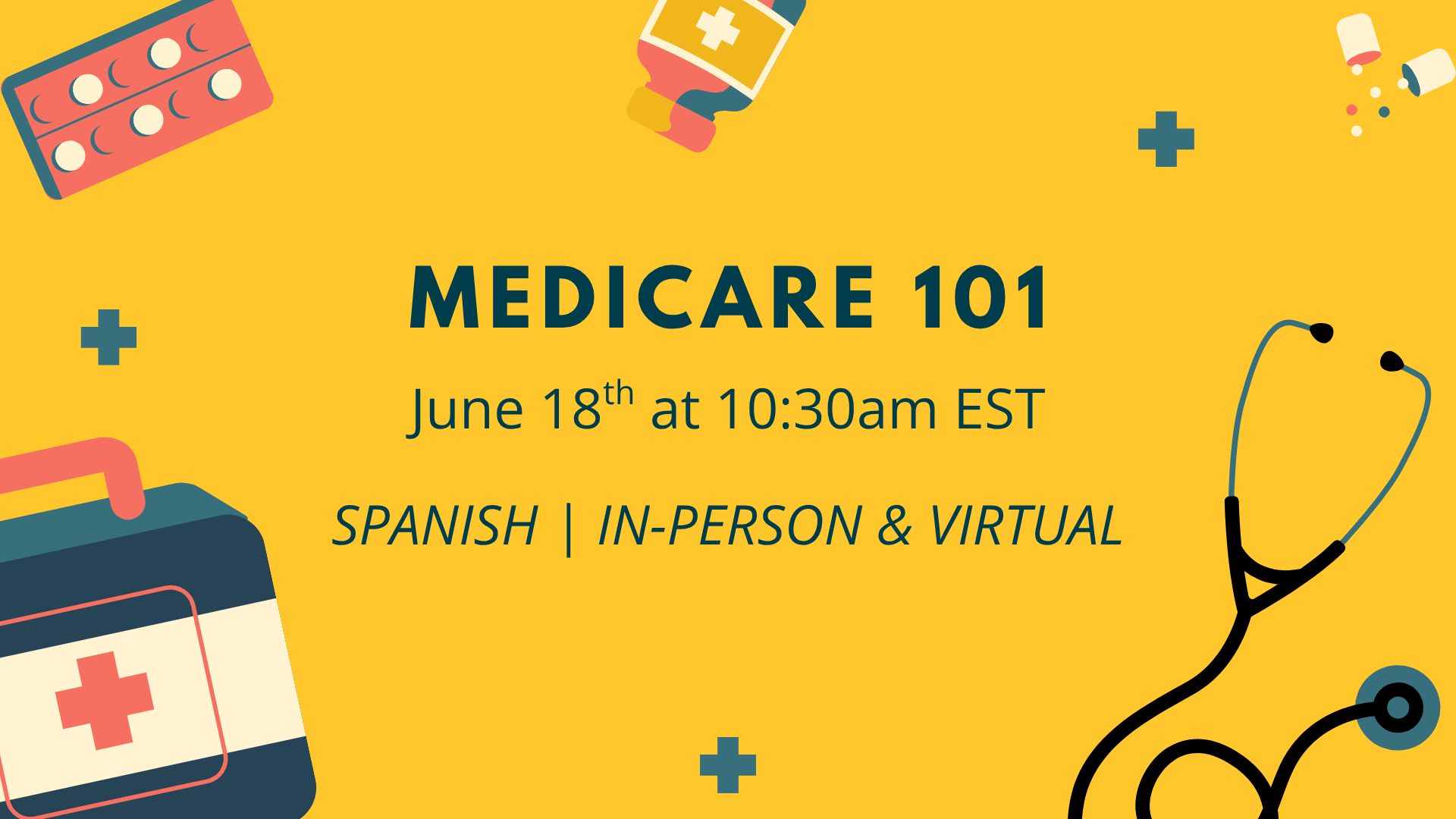
June 18th
June 24th
June 25th

June 3rd

June 10th

June 17th

June 24th